Official Film Site~~~
PRESS KIT PAGE
Poster ~ Stills ~ Synopsis
Comments ~ Bio
and other resources
PRESS KIT PAGE
Spirit Song of the Desert
A unique Feature Length Documentary Film
from David P. Crews
PRESS KIT PAGE
Poster ~ Stills ~ Synopsis
Comments ~ Bio
and other resources
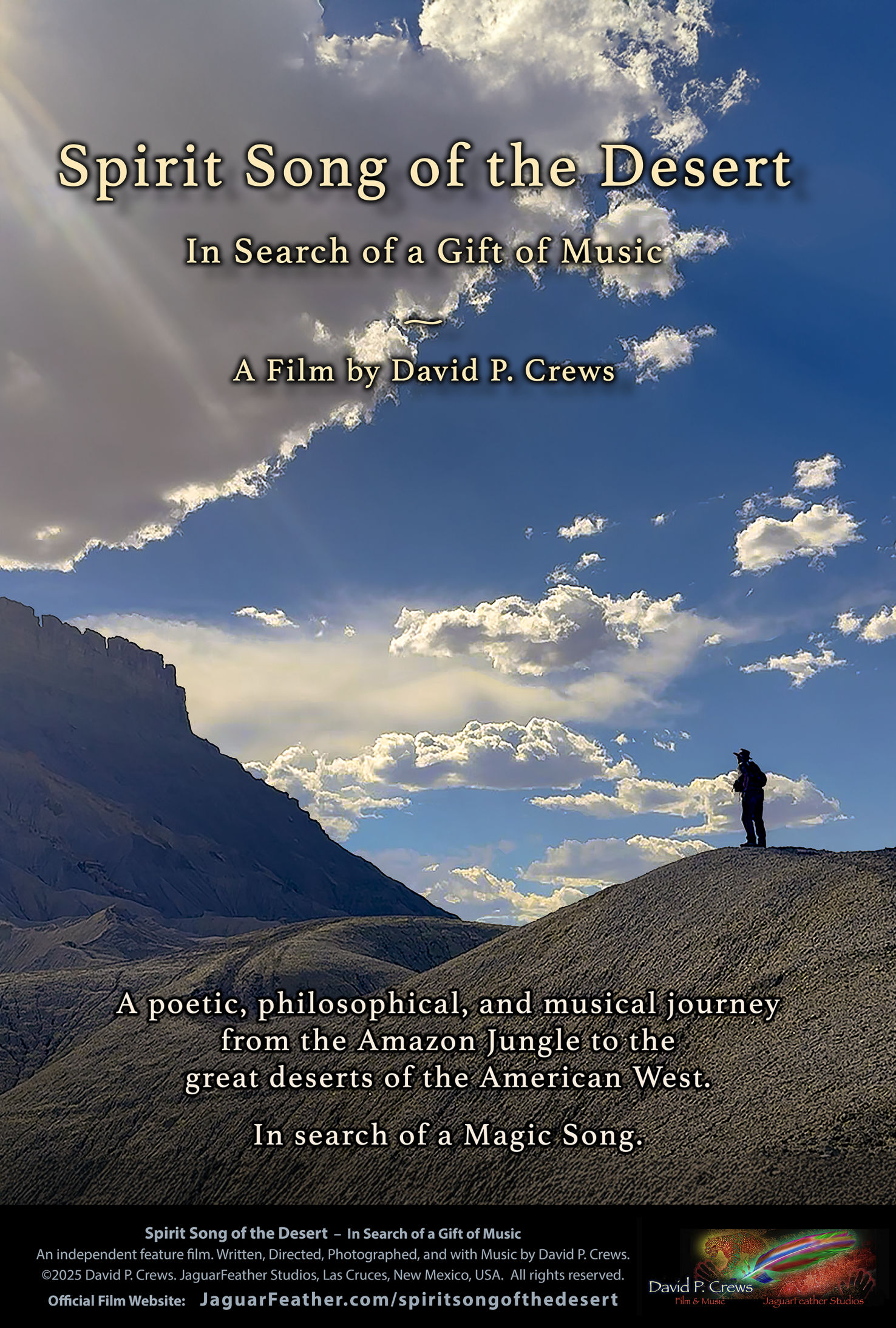
Official Poster
Here is the: Full PRESS KIT as a WEBPAGE, presented below:
------------------------------------------------------------------------------------------------------------------------------------------
PRESS KIT
Official Film Website:
https://SpiritSongOfTheDesert.com
Trailer:
https://vimeo.com/1132945532?share=copy&fl=sv&fe=ci
Full Film (Direct File for Festivals):
https://vimeo.com/1130986419/81e094025c
Contact:
David P. Crews:
email: [email protected]
or [email protected]
Phone (USA): +1-512-663-9669
---------
Poster / One-Sheet:
The Poster image displayed in this Press Kit is half-size.
Download a full-size file at 40” x 27” at this link:
https://spiritsongofthedesert.com/SSOTD-PRESSKIT/SSOTD-Poster_FactoryBRidge_VERT(LARGE).jpg
---------
Logline:
Visionary encounters with Magic Songs in the Amazon Jungle leads one man through all of the great deserts of the American West to find a Spirit Song of his own.
---------
Pitch:
“Spirit Song of the Desert”
follows one man’s journey from the magical songs of the Amazon Jungle to the great Deserts of the American West, seeking his own magic Spirit Song to better perceive and explore his connection to nature, time, and life.
Featuring breathtaking landscapes from two continents and a stirring original full symphony score, a poetic and philosophical story unfolds in this moving personal essay from internationally award-winning artist and filmmaker, David P. Crews.
---------
Spirit Song of the Desert
Synopsis:
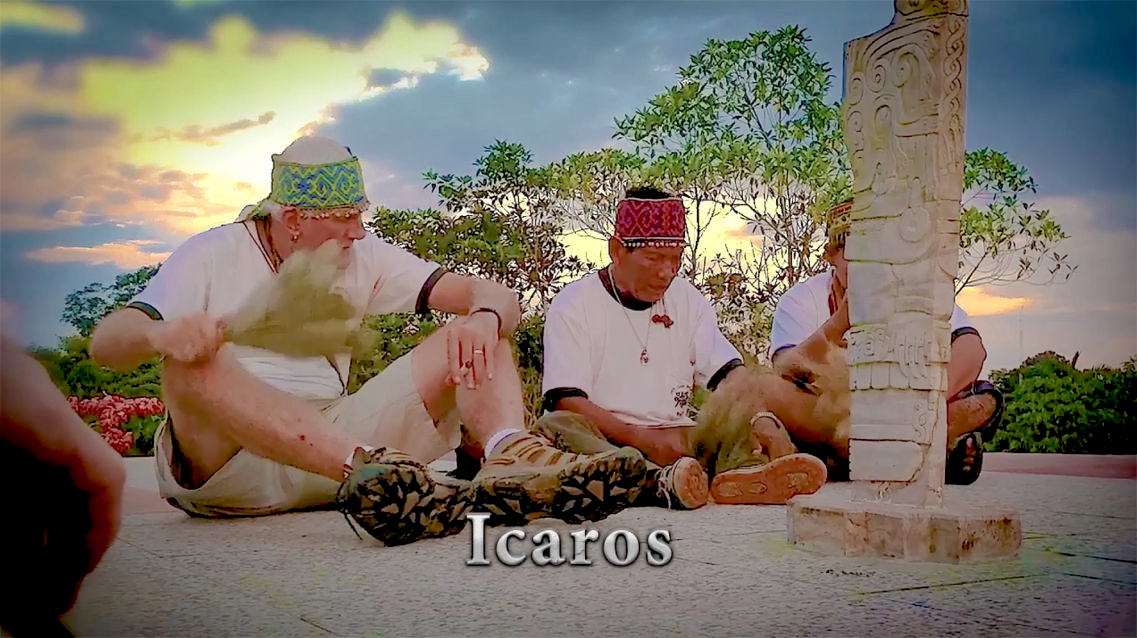
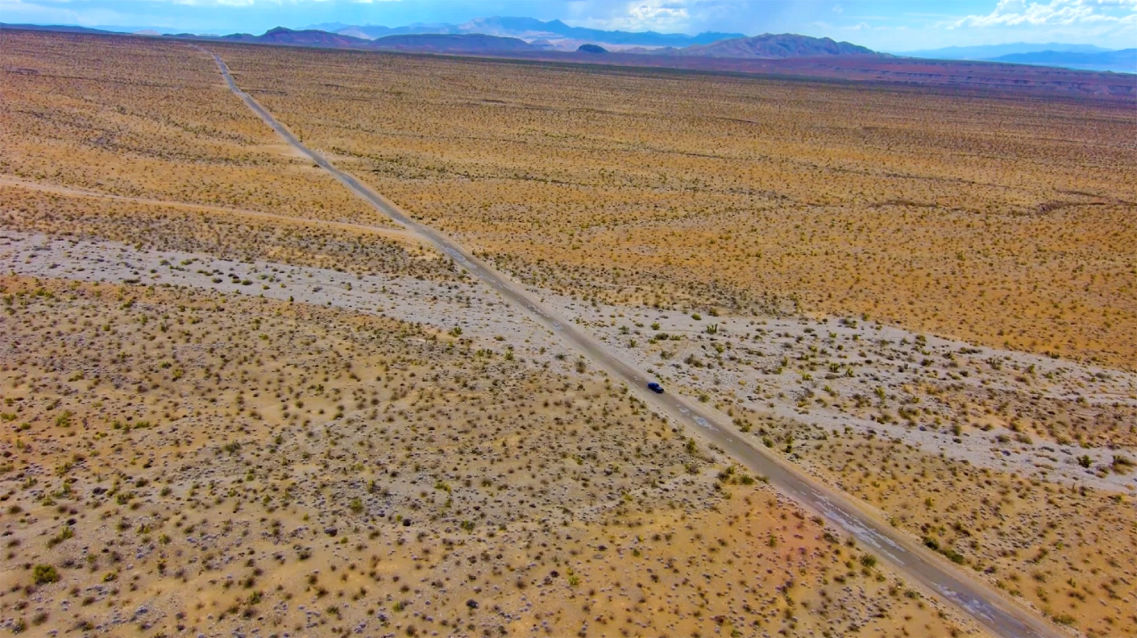
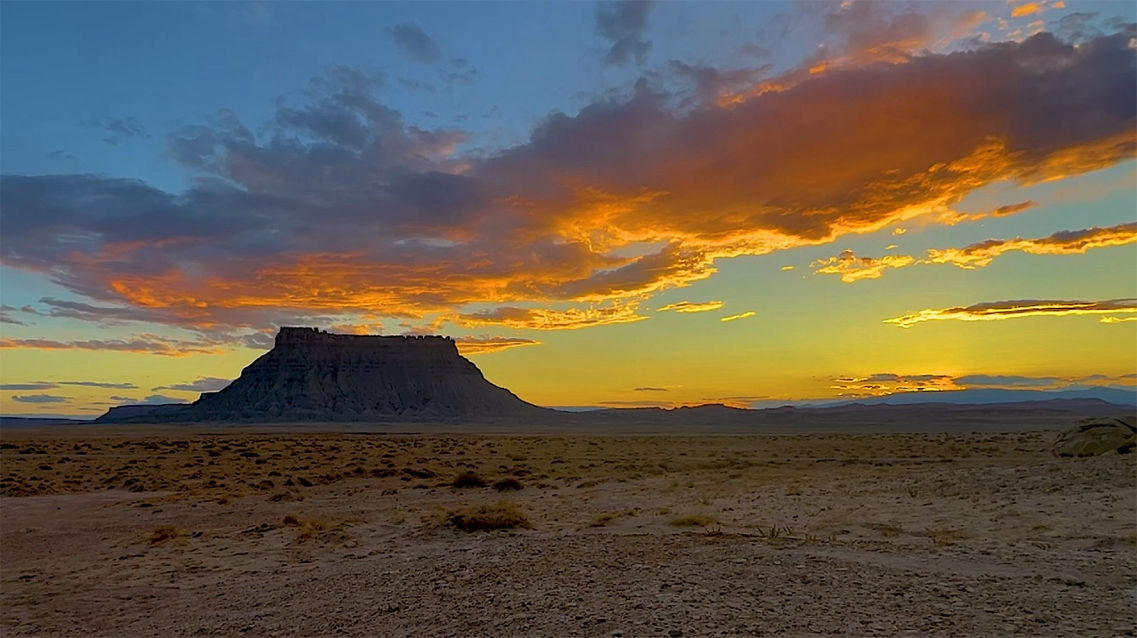
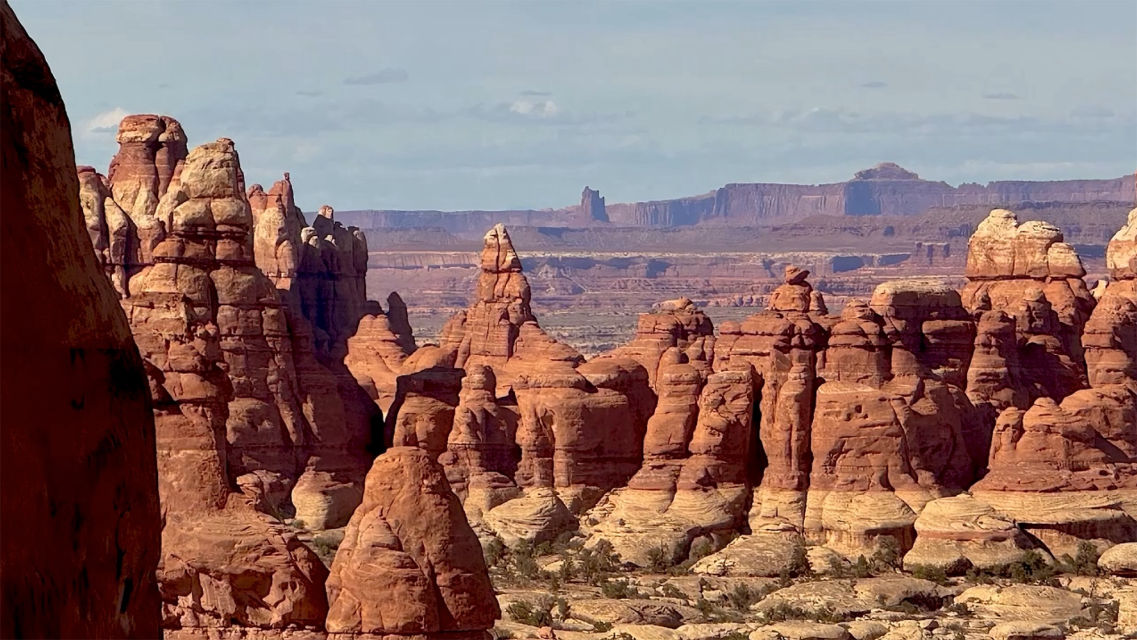
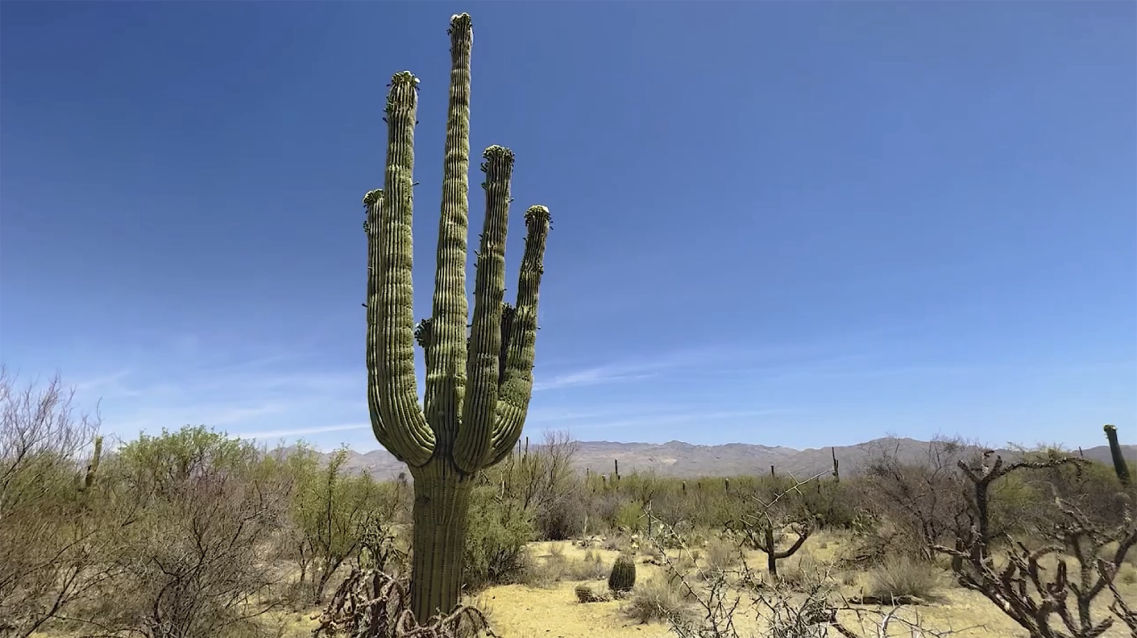
While encountering and working with some of the most powerful visionary plant medicines in the Amazon Jungle, writer and poet, David P. Crews, was impressed by the shaman’s use of “icaros,” or magical songs, sung during the intense ceremonies as a protection and guiding force in the powerful visionary work. Upon his return home, he sets out to find the gift of a special magical song for his own spiritual use as he journeys through the grand landscapes of all of the deserts of the American West, looking for that hidden melody or song of nature that may inspire his writing, and open the doors of perception to other realities.
Within these vast and seemingly timeless landscapes, contemplations of the nature of life and time itself guides him to seek answers, or gain a glimpse of the ineffable.
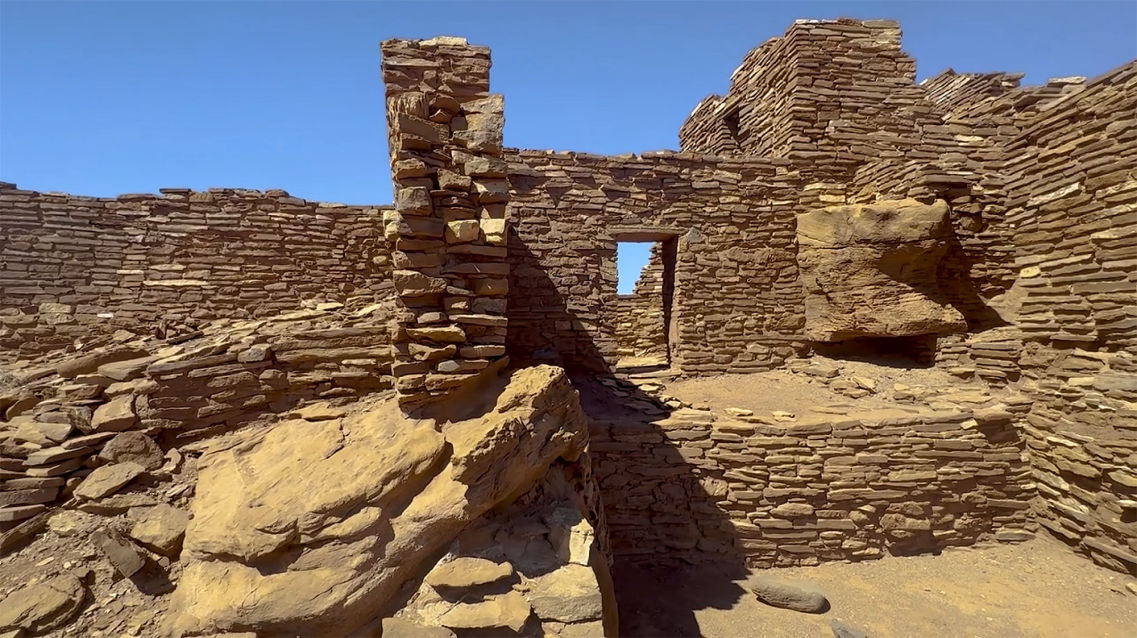
His search leads him to a healing and deeper connection with and love for these landscapes, and also with the ancient pictographs, the desert artwork of those who lived here thousands of years before. Drumming in the night in a special ceremonial place, he explores connections with the moon and the stars and the many forms of life on this special planet. Will they respond? Will he find a way to process and understand his place in time as he perceives his own years passing?
He beholds the natural wonders in front of his eyes as a new kind of peace is revealed. And, so he stands, “Looking. Looking. Breathlessly.”*
* [Carlos Castaneda: The Teachings of Don Juan: a Yaqui Way of Knowledge”]
---------
Comments and Reviews:
American Motion Pictures Film Festival:
“Spirit Song of the Desert – In Search of a Gift of Music” has truly moved us
— it stood out with its depth, vision, and powerful storytelling.
Viewers after a special preview screening:
“OK, I’m just going to say, Wow!”
“I’d like to second that Wow!”
---------
Director Bio:
David P. Crews is an award-winning filmmaker, composer, broadcast television director, on-air radio host, and voice talent, gained through a fifty-plus year career.
He is the sole creator of his two feature-length documentary and personal essay films, “A Circle in the Desert,” and “Spirit Song of the Desert,” along with many other shorter films. “A Circle in the Desert” has won nearly 50 awards from film festivals worldwide, including Best Documentary, Best Nature or Inspirational Film, and awards for script, editing, cinematography, and ten awards for Best Original Score or Composer.
David works extensively with virtual symphony orchestra instruments like the BBC Symphony Orchestra Pro, which he used for “A Circle in the Desert” (2022), and his new film: “Spirit Song of the Desert” (2025).
David has an award-winning post-production editing business, and for 11 years, his voice was heard world-wide as an on-air host for KMFA, the classical music radio station in Austin, Texas.
David is a poet and author on religion and shamanism, especially concerning the great spirit plant medicines like ayahuasca, with which he has personally worked during three trips to the Upper Amazon Jungle. He recently published his first epic science-fiction fantasy novel, “Xenoplague,” available on Amazon and booksellers, worldwide.
David lives and makes his arts in his JaguarFeather Studios, located in the beautiful Chihuahuan high desert in Las Cruces, New Mexico.
---------
Director Photos:
Full size photo:
https://spiritsongofthedesert.com/SSOTD-PRESSKIT/DCinSTUDIOWITHMIC-fx.jpg
---------
Cast and Crew information:
This is a highly unusual film in that it has been created entirely by one single person, only:
David P. Crews.
---------
Q&A’s:
Q: Most films require at least a minimal crew. Why and how did you create this film all by yourself?
David P. Crews: Several factors led to me working solo: predilection, technology, economic necessity, a broad set of interests and talents, and a suitable project. I have worked professionally with many groups and have been a part of and managed large television production crews, but when functioning as an artist, I have a strong predilection to do things entirely on my own. Much of film art is collaborative by necessity. I found ways to make this film myself so that it represents only my own artist’s vision.
The technology to make quality imagery using only small mostly hand-held cameras has entirely changed what is possible. To accomplish cinema quality motion imagery only a few years ago, I had to use my bulky DSLR camera and an even more bulky and awkward computerized slider rig. Today’s gimbaled, motion-stabilized, surprisingly high quality for size, hand-held cameras are truly empowering and democratizing, and not really that expensive. For aerial shots, the newer drone AI technology makes it possible to fly it myself, hands-free, while also being the subject of the shots.
I could never afford to hire a crew to do this kind of long-term, open agenda filming and only when nature’s opportunities allow, kind of shoot. It would not be the same film if I did. This film also did not require any on-site audio recording like an actor’s voice, only needing my studio narration. So I did not need to worry about microphones or voice acquisition on location. Also, I could certainly never afford to hire an orchestra to play my music compositions, and I do not even compose or score in the traditional notational manner for them. I’m able to compose and record working through the computer DAW (digital audio workstation) using today’s incredible virtual instruments – a technology that has vastly improved over the twenty or more years I’ve been engaged with it.
Rather than focusing deeply on just one or two things in life, I have always had a broad set of interests and talents. I’m not by any means an expert in all of them, but the set of talents needed for this project all clustered and centered on the things I do best: video, photography, music, narration, post-production, writing, and poetry.
So, why not step forward and make films of my own, based on my own true experiences and my writings and philosophies, set in a rugged land that I love? Projects I can actually do from start to finish on my own talents and within my own timelines? Ones I can be flexible with as the situation changes on the ground (which it did many times)? And, projects I can actually afford to do at this stage of my life?
Q: What was your Director’s intention?
David P. Crews: This film is a poem. It is a poetic expression of my deep philosophies about the nature of time and of life itself, and my life in particular. It began with a set of extraordinary experiences I have had working with tribal and mestizo medicine people in the Amazon Jungle over the last two decades, encountering and doing serious consciousness work with the great visionary plant medicines like Ayahuasca, the Vine of the Soul. In these intense ceremonies, I was influenced by the magical songs or icaros that the shamans sing throughout the hours of the night as we worked our own deep journeys into other realms of perception. These songs are gifted to them by the Spirits of the Plants to use in healing, protecting, and guiding the powerful visionary states. I wanted to see if I could develop or be gifted with such a personal magical song of my own, to use in my singular spirit work in the wondrous desert landscapes I live in and travel through–a starkly different environment from the Amazon Jungle.
I documented this exploration as the basis of this new film, exploring an opportunity to share my journey and also my philosophy, poetry, and writing along that path. I could amplify the emotions, the grandeur, and the perspectives of how such a journey could interact with the grand desert landscapes that I have loved for over 50 years in the American West with a tour through all of the major deserts there. I also could then enhance this with my cinematography and my music score for full orchestra.
The shamanic aspects of the film reflect my deep interests and adventurous pursuits of knowledge and spiritual experiences that have taken me from the Amazon and the Andes to other spiritually powerful places and practices throughout my life.
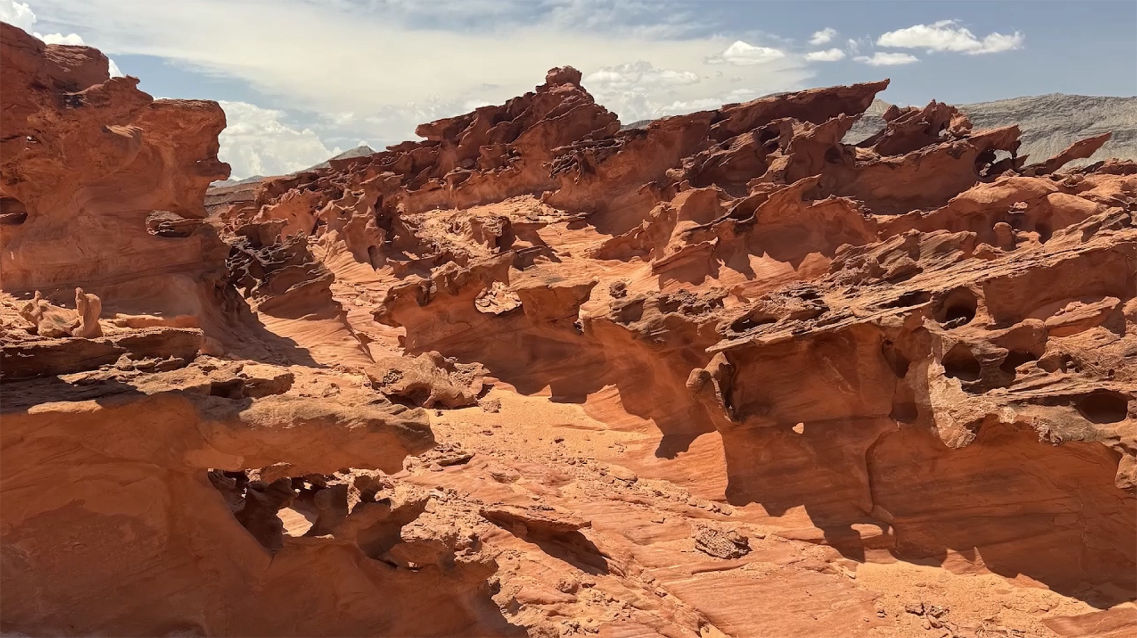
My intention, then, was to sing this song. Relate this story. Speak these poems. Take others with me on this journey and, perhaps, inspire or teach or show an open doorway that may otherwise remain unseen. If nothing else, I hope to inspire people with that incredible and fragile landscape of the high desert with all its amazing formations and its senses of vast space and infinite time.
Q: How did you create the symphonic score all by yourself?
David P. Crews: This is accomplished through the technology now referred to generally as “virtual orchestra.” This is based on digital sampling of the instruments of the orchestra or of any instrumental or natural sound, tonal or not, that could be useful to create music or soundscapes of any sort. For the orchestra in my film, I used the BBC Symphony Orchestra set in its professional, virtual form from Spitfire Audio in London. The members of that esteemed ensemble were digitally recorded, each instrument separately and also in groups. Every note of an example of every instrument was captured, and in various articulations and styles. These massive data files are then made available to a digital keyboard through a standard DAW (digital audio workstation) like the one I use, Apple’s Logic Pro. Here, as the composer, I can play the sounds, arranging them in layers to coordinate like a true live ensemble would. It’s kind of like programming a “player piano” but with vastly more control.
These are the real sounds of the actual instruments, so when carefully done, this does not sound like a synthesizer or “fake” strings. It can seem quite real and convincing. It is tricky, though, for I end up “playing an orchestra” by playing every note of every instrument and mixing it together so it sounds right. It’s an amazing thing and very fun to do, but also quite challenging! There is still no true substitute for a real orchestra, but this tech has come a very long way in a short time and will continue to improve. It made the multi award-winning scoring of my films possible.
Q: How long were you shooting on location?
David P. Crews: I made two trips specifically for cinematography. I went in May and June of 2025, and then back again in the Autumn, for a total of five weeks on-location. This landscape is vast and it was a lot of ground to cover in even that much time, especially making a point of visiting and documenting features from all six major American deserts. I was shooting and hiking every day, all day for all of those weeks. I also drove over 6,000 miles during these two trips.
The location footage from the Amazon was acquired over three different trips to the jungle and two to the Andes and Incan areas of Peru, in 2006, 2013, and 2023.
Q: What cameras did you use?
David P. Crews: I had a DSLR camera, a Fujifilm X-T4 with three lenses, a GoPro Hero5, an i360 camera, and my trusty iPhone 15-Pro, which became a primary camera for this film. The arial photography was done with a Skydio 2 drone, and a DJI Mini 4k drone.
Q: What is the nature or origin of your drumming and medicine circle ceremony?
David P. Crews: I feel a connection to native tribal spirit and philosophies of many kinds and from many places and I’ve enjoyed honoring and learning from all of them. These range from native American traditions, to multicultural ones from the Amazon Jungle, including purely tribal ones, like the Shipibo people, and the more commonly encountered mestizo traditions, like the Lamista ones I worked with first. These ceremonies have given me insights and have confirmed many of my ideas about a multi-dimensional nature of reality. The personal visions I have experienced in this work have literally changed my life.
In my own work at home in the deserts of the American southwest, I have pursued my own very personal versions of such ceremonial approaches, inventing things that work just for me. These may be based on the basics of a “medicine circle” and the time-honored practices of drumming, dancing, and chanting, to empower insights or even call visionary states. I am interested in and work with techniques we generally refer to as “shamanism” in the intellectual West. These techniques, ceremonies, and rituals are still in use by tribal and native peoples all over the world, not just in North America. The word itself is derived from the Sámi people of Sápmi or Lapland, stretching from Norway to Russia.
Shamanism is “for” and available to anyone, anywhere. Ceremonial shamanic circles are common in cultures around the world from England’s Stonehenge to instances in Asia, Africa, and the Middle East and beyond. I believe that creating my own techniques are the best way for an intellectual like me to approach this kind of raw vision quest, as I can “make it my own” and relate to it more directly and fully. It allows me to control my “set and setting,” which is so critical to the success of ventures of this kind.
----------------------------------------
Production Stills from the Film:
https://spiritsongofthedesert.com/SSOTD-PRESSKIT/SSOTD-PRODUCTIONSTILLS.zip
--------------
Credits:
Essential credits from the Film:
----------------------------------------
Spirit Song of the Desert
–In Search of a Gift of Music
A Film by David P. Crews
----------------------------------------
Written, Photographed,
Directed,
and
Music by
David P. Crews
----------------------------------------
Music
Composed and Performed
with the BBC Symphony Orchestra - Pro
Spitfire Audio, London
Samples recorded at Maida Vale, AIR Lyndhurst,
and Abbey Road One Studios, London
Produced and Recorded at
JaguarFeather Studios
Las Cruces, New Mexico
This is how I sing.
----------------------------------------
Spirit Song of the Desert
–In Search of a Gift of Music
A Film by David P. Crews
©2025 David P. Crews
JaguarFeather Studios
JaguarFeather Publishing
Las Cruces, New Mexico, USA
All rights reserved.
Music: JaguarFeather.com
Hear the original orchestral score.
==========[The End]==========
Technical:
Duration: 1 hour, 26 minutes
Format: HD (1920x1080p)
Aspect Ratio: 16x9
Shooting format: Digital
Language: English
~~~~~~~~~~End of Press Kit~~~~~~~~~~
- REVIEW from the
Berlin New Wave Film Festival
(Winner: Best Nature Film 2024)
See A Circle in the Desert via this LINK

Free AI Website Software